

How to Explain a Career Gap in Your Interview
 admin
July 16, 2026 9:42 pm
.
5 menit membaca
admin
July 16, 2026 9:42 pm
.
5 menit membaca
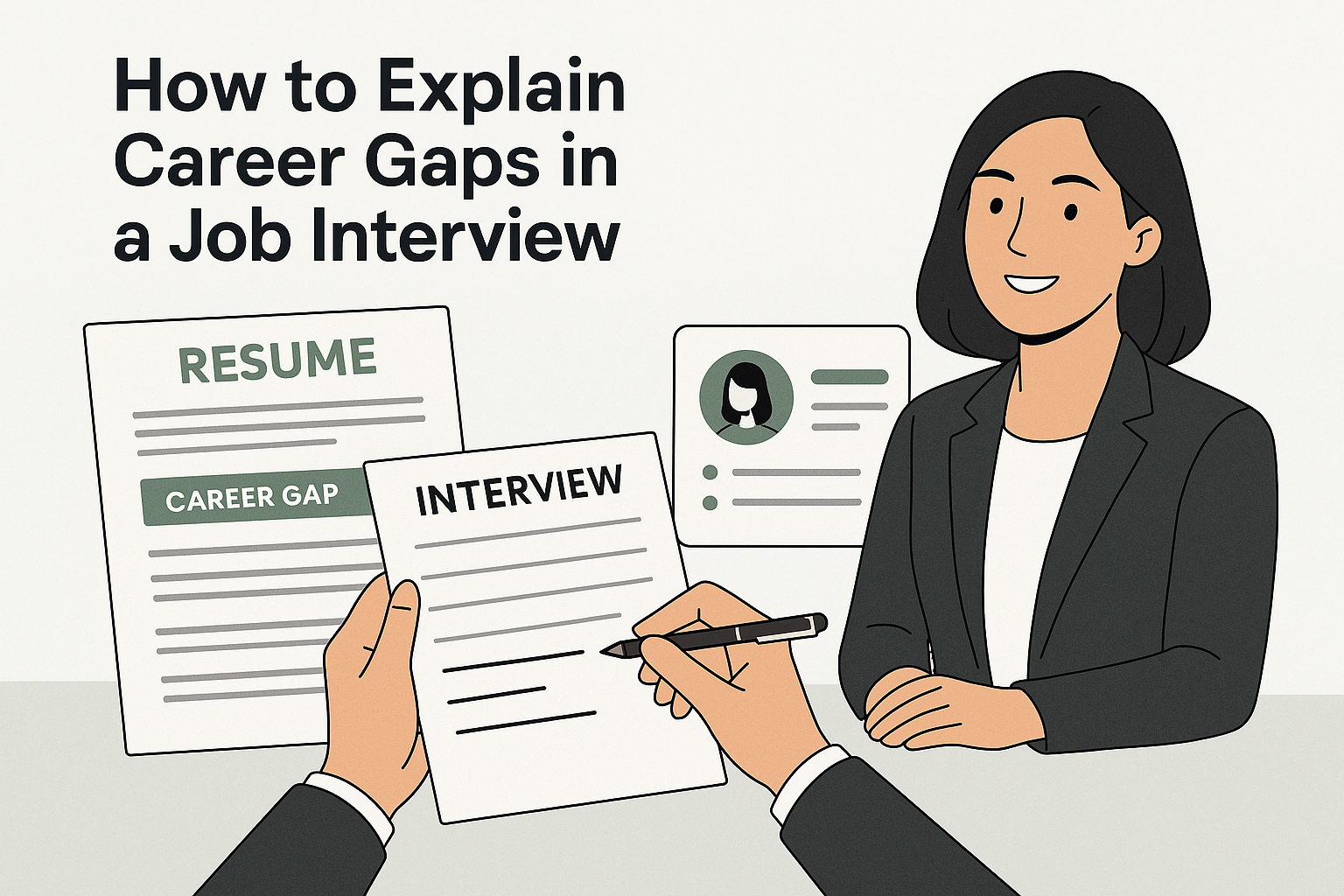
In today’s competitive job market, explaining a career gap in your interview can be a daunting task. Whether you took time off for personal reasons, further education, or even health issues, it's essential to address this period confidently and positively. This article will guide you on how to effectively explain your career gap to potential employers, ensuring you present yourself as the best candidate for the job.
Understanding the Impact of a Career Gap
A career gap can raise questions in the minds of hiring managers. They may wonder why you took time off and whether it will affect your reliability. However, it's essential to recognize that many professionals experience gaps in their careers for various legitimate reasons. What matters most is how you frame this experience during your job application process.
Strategies to Explain Your Career Gap
1. Be Honest and Upfront
When discussing your career gap, honesty is crucial. If asked about it during an interview, briefly explain the reason for your time away from the workforce. Avoid giving vague excuses or trying to hide the gap; transparency builds trust.
2. Focus on Skills Gained During the Gap
During your time away, you may have developed skills that are relevant to your desired role. Perhaps you volunteered, took courses, or even worked on personal projects. Highlight these experiences in your resume or CV and discuss them during your interview.
3. Frame it Positively
Instead of focusing on the negative aspects of your career gap, frame it as a period of growth or reflection. Explain how this time off has prepared you for your next role. For example, you could say, "During my career break, I took the opportunity to enhance my skills in [specific area], which I believe will benefit my performance in this position."
4. Update Your Resume and LinkedIn Profile
Ensure that both your resume and LinkedIn profile accurately reflect your career history, including your gap. You can use a functional resume format to emphasize skills over chronological work experience. Make sure your LinkedIn profile aligns with your resume, as many hiring managers will check your online presence.
5. Customize Your Cover Letter
Your cover letter is an excellent opportunity to address your career gap. You can briefly mention the reason for the gap and how the experience has made you a stronger candidate. Tailoring your cover letter to each job application will help show your genuine interest in the position.
6. Prepare for Common Interview Questions
Anticipate potential interview questions about your career gap. Common questions may include:
- "Can you explain the gap in your employment history?"
- "What did you do during your time away from work?"
- "How do you believe that time off has prepared you for this role?"
Practicing your answers will help you feel more confident during the interview.
Making a Strong Impression
1. Show Enthusiasm
Express genuine excitement about the opportunity and focus on what you can bring to the table. Your passion can help overshadow any concerns about your gap.
2. Highlight Relevant Experience
Regardless of your career gap, ensure that you emphasize your skills and experiences that are relevant to the position. Use examples from prior roles to demonstrate your qualifications.
3. Be Ready to Discuss Future Goals
Finally, be prepared to discuss your career aspirations and how this job aligns with your long-term goals. Showing that you have a clear vision for your future can reassure employers about your commitment.
Frequently Asked Questions (FAQ)
Q: How long is considered a significant career gap?
A: While there’s no definitive answer, a gap of six months or more may raise questions. It’s essential to address any gap, regardless of its length.
Q: Should I mention my career gap on my resume?
A: Yes, it’s advisable to mention your gap, particularly if it’s substantial. You can explain it briefly in your cover letter or during the interview.
Q: Can I explain my career gap in a positive way?
A: Absolutely! Focus on the skills you acquired or the experiences you had during your time away. This will help frame the gap positively.
Q: What if I took time off for personal reasons?
A: It’s okay to mention personal reasons without going into specifics. Focus on how you are now ready and motivated to return to work.
Q: Should I address my career gap in my LinkedIn profile?
A: Yes, ensure your LinkedIn profile reflects your resume. You can mention your gap and any relevant experiences during that time.
In conclusion, explaining a career gap in your interview doesn’t have to be a stressful experience. By being honest, focusing on the skills you've gained, and framing your experiences positively, you can turn a potential concern into a testament to your resilience and readiness. Remember to customize your resume and cover letter for each role rather than sending the same document everywhere. This personalized approach not only enhances your chances of success but also shows employers your commitment to the position.
Baca Juga
- Essential Entry Level Interview Questions to Prepare For
- Essential AI Skills for Career Advancement in Canada
- Elevate Your Career with Career Focused Online Courses
- A Comprehensive Guide to Part-Time Jobs for International Students in
- Exploring Work From Home Jobs in the United Kingdom: A Comprehensive Guide